 eSIM-Now.com
 English












Staying connected across Mexico
Mexico runs on three main mobile networks: Telcel — by far the largest, reaching deepest into smaller towns, the coast, and the interior — alongside AT&T Mexico and Movistar, which are strong in the big cities but thinner once you leave them. Coverage in Mexico City, Guadalajara, Monterrey, Cancun, and the Riviera Maya is solid 4G with growing 5G, and that's where most travelers spend their data. The character changes the moment you leave the highways: jungle roads near the cenotes, the Copper Canyon, Oaxaca's sierra, and parts of Baja can drop to patchy 4G or nothing. There's no firewall or filtering here — every app works as it does at home — so the real connectivity quirk in Mexico is just how unevenly signal is split between Telcel territory and everyone else.
What you'll actually use it for
Most of what eats data on a Mexico trip is practical: maps and Uber/DiDi to get around (rideshare beats flagging street taxis in CDMX), WhatsApp for booking guides and tours, Google Translate for menus and markets, and uploading the obligatory beach and ruins photos. Banking apps and two-factor codes matter too if you're paying as you go.
Why eSIM-Now for Mexico
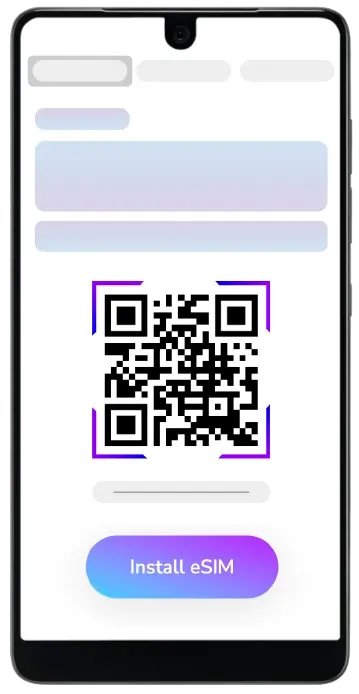
Our Mexico eSIM is multi-network, so your phone latches onto whichever local signal is strongest where you're standing — a real advantage in a country where one carrier reaches a village and the others don't. Your QR code arrives by email the instant you pay, so you can install it on home WiFi and land in Cancun already online, no airport SIM queue. If activation ever fails, you're refunded — no arguing. And your home number stays live the whole trip, so the 2FA texts from your bank and airline still land while your data runs on the local eSIM.
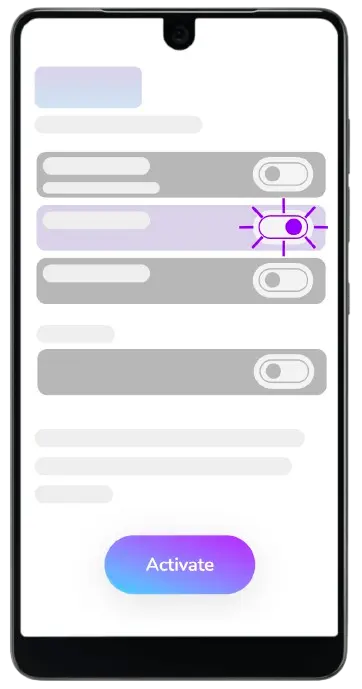
Practical tip: install the eSIM before you fly and turn on data roaming for it on arrival — but keep "Cellular Data" pointed at the eSIM and your home line set to "off" for data, so you never get a surprise roaming bill from your primary carrier.






















 eSIM-Now.com