 eSIM-Now.com
 English


Using an eSIM in the United States
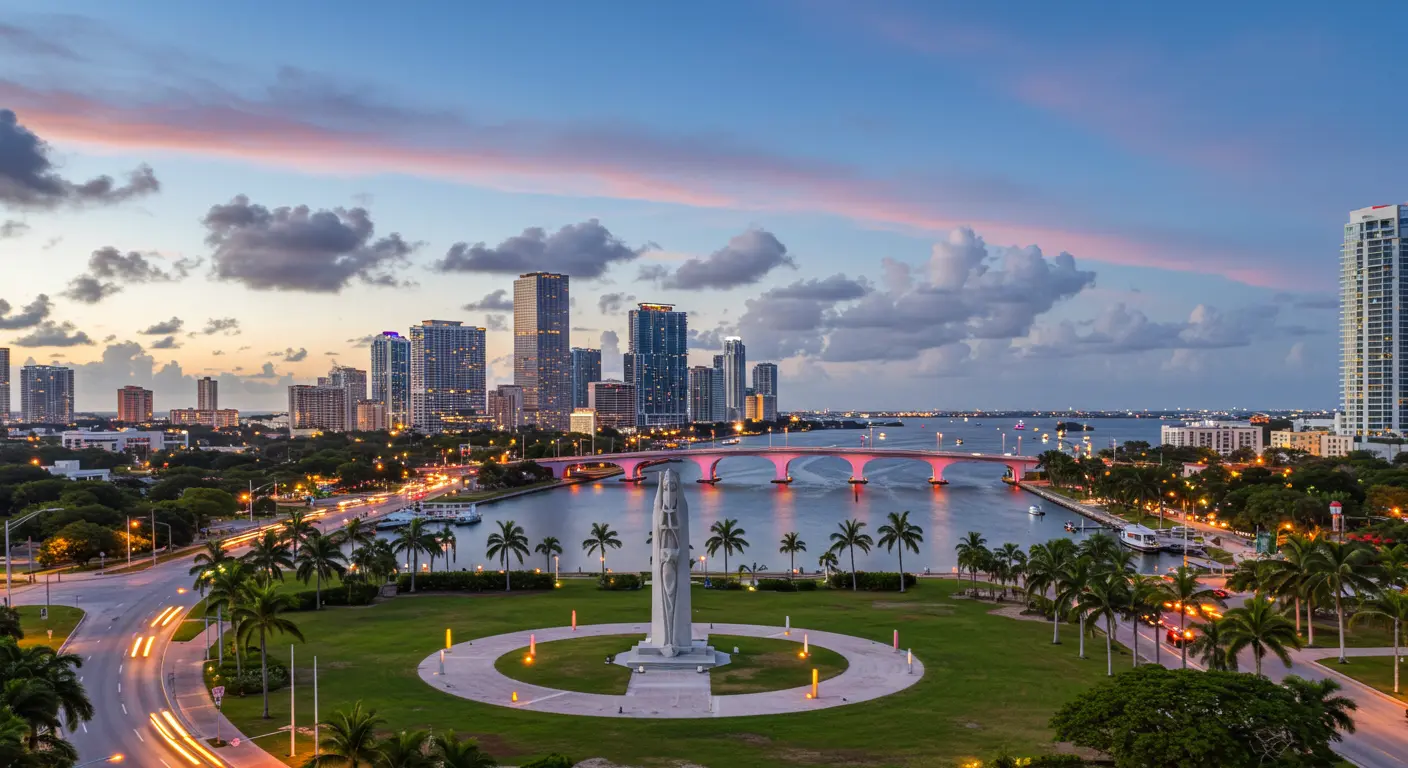
The U.S. runs on three big networks — Verizon, AT&T, and T-Mobile — and they shape almost everything about how your data feels on the ground. In cities and along the interstates, 4G LTE is everywhere and 5G is now genuinely widespread, with T-Mobile in particular pushing fast mid-band 5G across most metros. The catch is the country's sheer size: coverage character changes the moment you leave the highway. The Rockies, desert Southwest, national parks, tribal lands, and long rural stretches can drop to a single bar — or nothing — and which carrier wins varies wildly by region. There's no nationwide "best" network, which is exactly why a multi-network eSIM matters here.
What you'll actually use data for
Most visitors lean hardest on navigation. Distances between cities are huge, and Google or Apple Maps with live traffic is what keeps a road trip moving. Add rideshare (Uber, Lyft), real-time transit apps in cities like New York and Chicago, mobile boarding passes, restaurant and hotel bookings, and the constant stream of photos and video back home. The U.S. has no firewall and no app restrictions, so everything works normally — you just need a connection that follows you out of town.
Why eSIM-Now
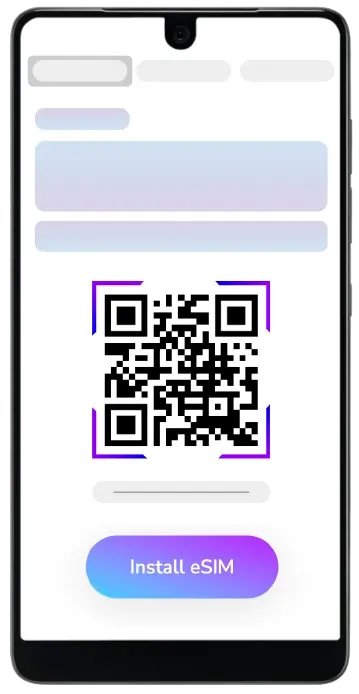
Our U.S. eSIM is multi-network, so your phone latches onto the strongest available signal instead of being locked to one carrier — a real advantage when coverage shifts between states. You get the QR code by email the moment you pay, so you can install it before you fly and land already connected, no airport SIM kiosk required. If activation ever fails, we refund you. And our U.S. pricing typically undercuts Airalo across the common data sizes.
Practical tip: Before heading into national parks or remote stretches, download offline maps over Wi-Fi. Coverage out there is thin no matter whose network you're on, and offline maps keep you oriented when the bars disappear.










 eSIM-Now.com